Illuminating History: The Enduring Appeal of the Stained Glass Lamp in Modern Interiors
The stained glass lamp is more than just a source of illumination; it is a piece of functional art that bridges the gap between historical craftsmanship and contemporary interior design. For over a century, these luminous fixtures have captivated homeowners, collectors, and designers alike. While often associated with the ornate Victorian era or the Arts and Crafts movement, the stained glass lamp has evolved to fit seamlessly into modern living spaces, offering both aesthetic beauty and practical lighting solutions.
Understanding the significance of these lamps requires looking beyond their colorful panes. It involves appreciating the intricate process of their creation, the psychological impact of colored light on our environments, and the versatility they offer in decorative schemes. Whether you are a seasoned collector or a beginner looking to add warmth to your home, exploring the world of stained glass lighting reveals a fascinating intersection of technology, art, and history.
The Historical Roots and Artistic Significance
To truly appreciate a stained glass lamp, one must understand its origins. The technique of assembling colored glass pieces using lead came or copper foil dates back to medieval cathedrals, where large windows told biblical stories through light. However, the transition from architectural windows to domestic lamps occurred during the late 19th and early 20th centuries.
This era saw the rise of influential figures like Louis Comfort Tiffany, who pioneered the use of opalescent glass and the copper-foil method. This technique allowed for greater detail and structural integrity in smaller objects, making complex lampshades possible. The resulting lamps were not merely utilitarian; they were status symbols that reflected the owner’s taste and appreciation for natural motifs, such as dragonflies, wisteria, and geometric patterns.
Today, the term "stained glass lamp" encompasses a wide range of styles, from authentic antique reproductions to modern interpretations using synthetic materials. Regardless of the material, the core principle remains the same: transforming ordinary electric light into a dynamic display of color and shadow.
Why Colored Light Matters in Interior Design
Lighting is often described as the jewelry of the home, and stained glass lamps are the statement pieces. Unlike standard white bulbs that provide uniform illumination, stained glass filters light, creating an atmosphere that is both intimate and vibrant. This has several practical and psychological benefits:
- Mood Enhancement: Warm hues like amber, red, and orange can create a cozy, inviting environment, ideal for living rooms and bedrooms.
- Visual Interest: The intricate patterns draw the eye, serving as a focal point in a room without overwhelming the space.
- Softened Glare: The glass diffuses the light source, reducing harsh shadows and eye strain, which is particularly beneficial for reading nooks.
When integrating a stained glass lamp into your decor, consider the existing color palette. A lamp with blue and green tones can complement a nature-inspired theme, while bold geometric patterns in primary colors might accentuate a mid-century modern aesthetic.
Practical Applications in Modern Life
While historically rooted in tradition, the stained glass lamp is surprisingly versatile in modern contexts. It is no longer confined to dusty antique shops or formal parlors. Today, these lamps are found in diverse settings, proving their adaptability.
- Home Offices: A small stained glass desk lamp can add personality to a sterile workspace, breaking the monotony of corporate minimalism.
- Hospitality Industry: Boutique hotels and cafes often use these lamps to create a vintage or eclectic ambiance that encourages guests to linger.
- Educational Spaces: In art classrooms or libraries, they serve as tangible examples of color theory and historical design movements.
Furthermore, the rise of LED technology has revolutionized how these lamps function. Traditional incandescent bulbs generated significant heat, which could damage older solder joints or fade certain types of glass. Modern LED bulbs run cool, are energy-efficient, and come in various color temperatures, allowing users to customize the glow of their stained glass shades without the risk of heat damage.
Clarifying Common Misconceptions
Despite their popularity, several misunderstandings persist regarding stained glass lamps. Addressing these can help consumers make informed decisions.
Myth 1: All stained glass is fragile and high-maintenance.
While genuine leaded glass requires careful handling, many modern "stained glass" lamps use durable resin or polymer materials that mimic the look of glass but are shatter-resistant and easier to clean. Always check the material specifications before purchasing.
Myth 2: They are only for traditional homes.
This is perhaps the most limiting assumption. Contemporary designers are creating stained glass lamps with abstract patterns, monochromatic schemes, and sleek metal bases that fit perfectly in industrial or minimalist interiors. The key is choosing a design that complements rather than clashes with the surrounding decor.
Myth 3: They are prohibitively expensive.
While handcrafted artisan pieces can command high prices, mass-produced options and DIY kits have made this style accessible to a broader audience. You do not need a museum budget to enjoy the beauty of colored light.
Digital Resources and Design Tools
In the digital age, the appreciation and creation of stained glass designs have expanded into the virtual realm. Designers, architects, and hobbyists often rely on digital assets to visualize how a stained glass element will look in a space before committing to a physical purchase or project.
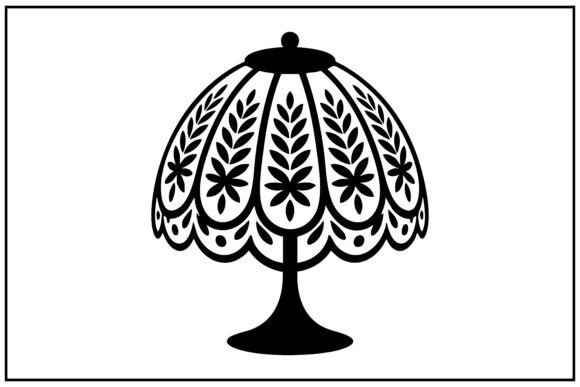
For graphic designers and interior planners, having access to high-quality digital representations is crucial. Resources such as a decorative interior light icon isolated on white background are invaluable for creating mood boards, presentations, and marketing materials. These digital assets typically come in multiple formats to suit different needs:
- EPS (Encapsulated PostScript): Ideal for vector-based editing, allowing designers to scale the icon without losing quality.
- JPG: A standard raster format suitable for web use and quick previews.
- SVG (Scalable Vector Graphics): Perfect for responsive web design, ensuring the icon looks crisp on any device screen.
- Transparent PNG: Essential for layering images in design software, allowing the icon to be placed over various backgrounds seamlessly.
These digital tools democratize design, allowing anyone to experiment with stained glass aesthetics in their projects. Whether you are designing a website for a lighting store or creating a brochure for an interior design firm, having access to versatile icons helps communicate the elegance and intricacy of stained glass lighting effectively.
Choosing the Right Stained Glass Lamp for Your Space
Selecting the perfect lamp involves balancing aesthetics with functionality. Here are a few expert tips to guide your choice:
First, consider the scale. A massive floor lamp with a heavy glass shade might overwhelm a small apartment, while a tiny table lamp might get lost in a grand foyer. Measure your space and choose a size that feels proportional.
Second, think about the light output. If you need task lighting for reading, ensure the lamp has a sufficient lumen output and that the glass pattern does not block too much light. For ambient lighting, darker, denser patterns can create a dramatic, moody effect.
Finally, pay attention to the base and hardware. The metalwork should be sturdy and well-finished. Bronze, brass, and black iron are common finishes that pair well with stained glass. Ensure the wiring is up to current safety standards, especially if buying vintage pieces.
Conclusion
The stained glass lamp remains a timeless element in interior design, offering a unique blend of history, artistry, and functionality. From its roots in the Arts and Crafts movement to its modern adaptations using LED technology and digital design tools, it continues to illuminate our lives in meaningful ways. By understanding its significance, dispelling common myths, and carefully selecting the right piece for your environment, you can harness the transformative power of colored light. Whether viewed as a collectible artifact or a practical lighting solution, the stained glass lamp invites us to slow down and appreciate the beauty of light itself.